Top SIA-Linked Training Courses for Security Professionals

In today's rapidly evolving security landscape, professionals must stay ahead of the curve. The Security Industry Authority (SIA) plays a crucial role in regulating the private security industry in the UK, ensuring that security personnel are trained to meet high standards. With the increasing demand for skilled security professionals, choosing the right training courses is essential for career advancement. This blog post explores the top SIA-linked training courses that can help security professionals enhance their skills and improve their employability.
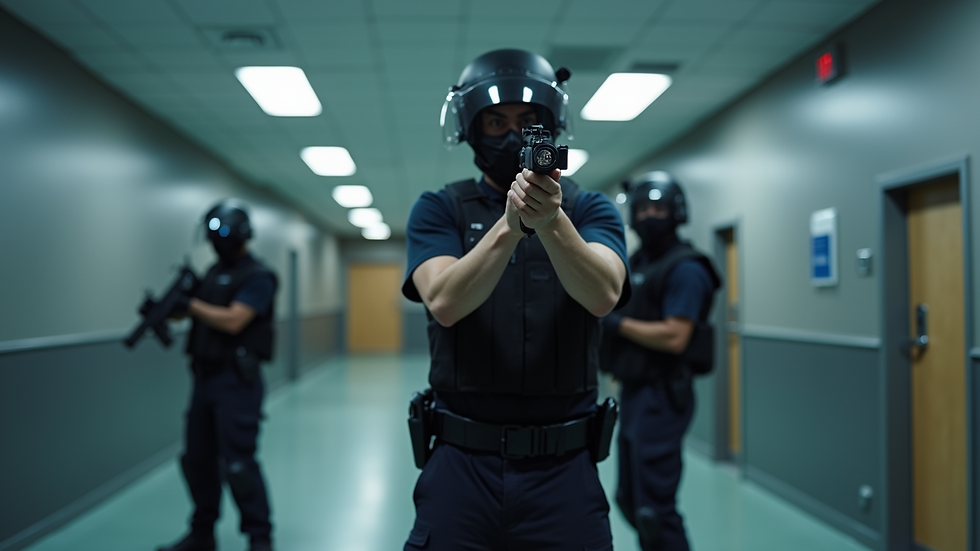
Understanding the Importance of SIA Training
The SIA is responsible for licensing individuals working in the private security industry. This includes roles such as security guards, door supervisors, and CCTV operators. Training courses linked to the SIA are designed to equip professionals with the necessary skills and knowledge to perform their duties effectively.
Why Choose SIA-Linked Courses?
Regulatory Compliance: Completing SIA-linked training is often a legal requirement for obtaining a license.
Skill Development: These courses cover essential skills, including conflict management, physical intervention, and emergency response.
Career Advancement: Gaining SIA accreditation can open doors to better job opportunities and higher salaries.
Types of SIA-Linked Training Courses
There are various SIA-linked training courses available, each tailored to specific roles within the security industry. Here are some of the most popular options:
1. Security Guard Training
This course is essential for anyone looking to work as a security guard. It covers topics such as:
Understanding the Role: Responsibilities and expectations of a security guard.
Legal Powers: Knowledge of relevant laws and regulations.
Emergency Procedures: How to respond to incidents effectively.
2. Door Supervisor Training
Door supervisors play a vital role in maintaining safety at venues. The training includes:
Conflict Management: Techniques for de-escalating situations.
Customer Service: Interacting positively with the public.
Physical Intervention: Safe methods for managing aggressive behavior.
3. CCTV Operator Training
With the rise of surveillance technology, CCTV operators are in high demand. This course focuses on:
Equipment Operation: Understanding how to use CCTV systems.
Monitoring Techniques: Best practices for observing and reporting incidents.
Data Protection: Legal considerations regarding privacy and surveillance.
4. First Aid Training
First aid training is crucial for all security professionals. This course teaches:
Basic Life Support: Techniques for CPR and choking relief.
Injury Management: How to assess and treat common injuries.
Emergency Response: Coordinating with medical services during incidents.
5. Conflict Management Training
Conflict management is a key skill for security personnel. This course covers:
Communication Skills: Effective verbal and non-verbal communication.
De-escalation Techniques: Strategies to diffuse tense situations.
Legal Considerations: Understanding the legal implications of conflict resolution.
Choosing the Right Training Provider
Selecting a reputable training provider is crucial for ensuring quality education. Here are some tips for choosing the right one:
Accreditation: Ensure the provider is accredited by the SIA.
Course Reviews: Look for feedback from previous students.
Instructor Qualifications: Check the qualifications and experience of the instructors.
The Benefits of Continuous Professional Development
In the security industry, continuous professional development (CPD) is essential. Engaging in ongoing training helps professionals stay updated on the latest trends and regulations. Here are some benefits of CPD:
Enhanced Skills: Regular training helps improve existing skills and learn new ones.
Networking Opportunities: CPD events often provide opportunities to connect with other professionals.
Career Progression: Staying current with training can lead to promotions and new job opportunities.
Real-World Applications of SIA Training
To illustrate the importance of SIA-linked training, consider the following scenarios:
Scenario 1: Effective Incident Response
A security guard trained in emergency procedures can respond quickly and effectively to a medical emergency. Their training allows them to assess the situation, provide first aid, and coordinate with emergency services, potentially saving a life.
Scenario 2: De-escalating Conflict
A door supervisor trained in conflict management can handle aggressive patrons without resorting to physical force. Their ability to communicate effectively and diffuse tension not only ensures safety but also enhances the venue's reputation.
Conclusion
Investing in SIA-linked training courses is a smart move for security professionals looking to advance their careers. With a variety of courses available, individuals can choose the training that best fits their career goals. By staying informed and continuously improving their skills, security professionals can ensure they are well-prepared for the challenges of the industry.
As the security landscape continues to evolve, the importance of proper training cannot be overstated. Take the next step in your career by exploring SIA-linked training courses today. Whether you are just starting or looking to enhance your existing skills, there is a course that can help you achieve your goals.

Comments